
IR TECHONOLOGY: HEATING BY RADIATION
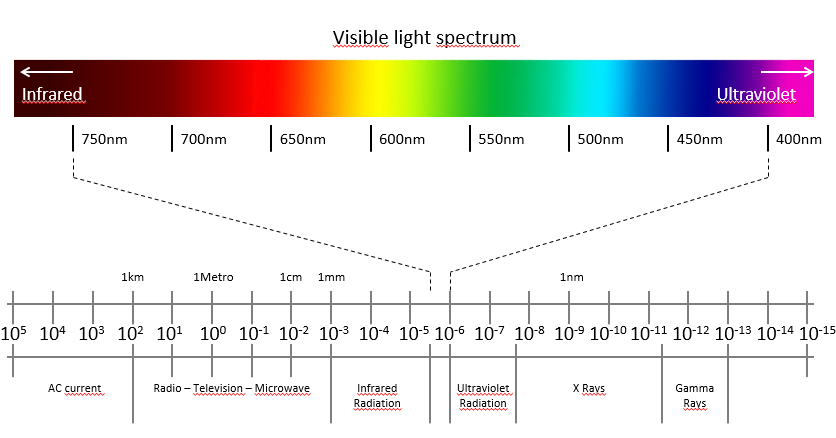
Radiation heats a material more directly than convection or conduction. It does not need contact with the surface, and it does not rely on a carrier such as air, so the energy reaches the product itself rather than the space around it.
How radiant heating works
Radiation transfers energy through electromagnetic rays sent out by a heated element. How well it performs depends on three things: the temperature of the heating element, the material’s ability to absorb radiant heat, and the shape, position and distance between the source and the product. IR quartz emitters produce wavelengths from 3.5 µm (medium wave) down to 0.9 µm (short wave). Picking the wavelength a material absorbs best gives faster, more efficient heating with less wasted energy.
Why it outperforms hot air
Against traditional hot-air systems, IR emitters put out more energy per unit of surface, and that energy can be focused, concentrated, directed and reflected like light. In practice this brings:
- faster heating of the product;
- lower energy use and less stray heat in the surrounding area;
- simple, fast control of the emitters;
- no direct contact with the material and no contamination of the work area;
- smaller equipment than hot-air ovens of the same output.
Matching the technology to your material
Different materials absorb different wavelengths. That is why the choice between short, fast medium and medium wave matters, and why testing the material first removes the guesswork. The Infrared Technical Center runs samples under controlled IR conditions and reports how each wavelength behaves.